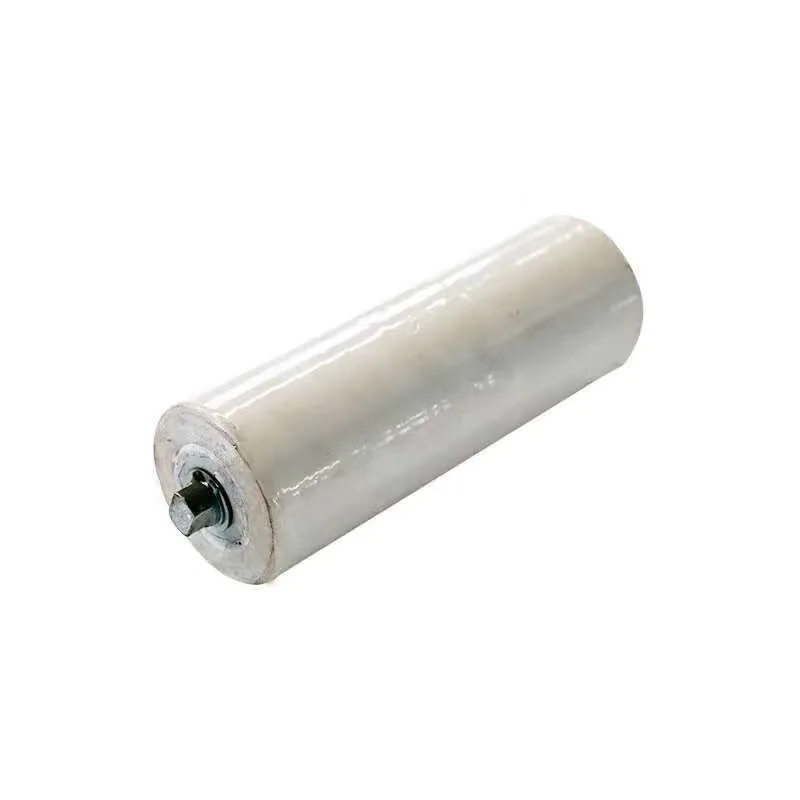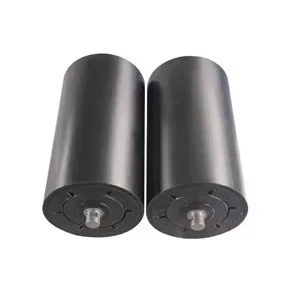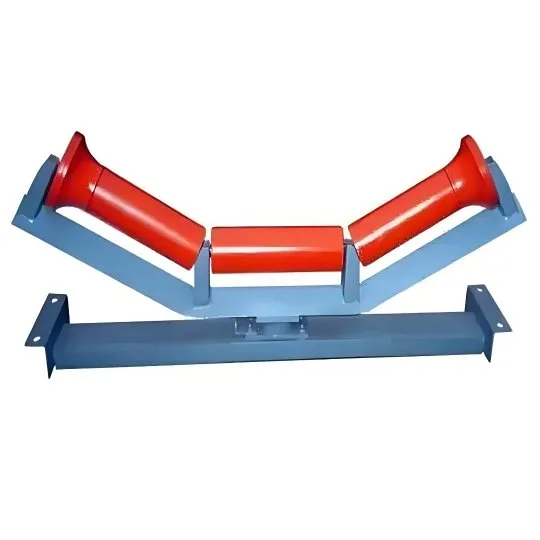
STAINLESS STEEL IDLER
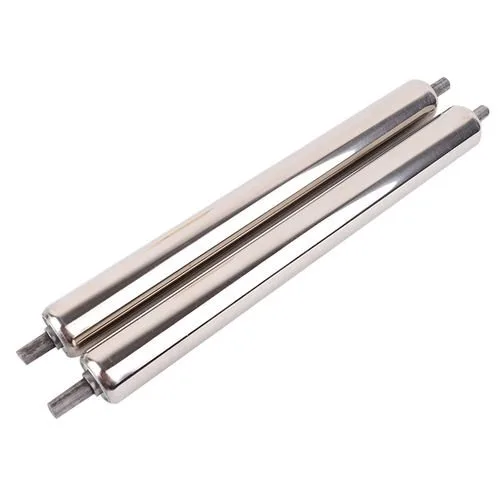
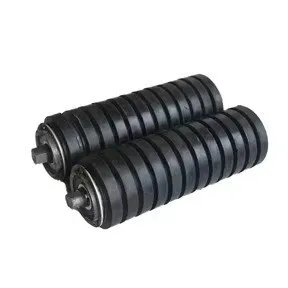
STAINLESS STEEL CONVEYOR IDLER
The stainless steel idler is engineered for conveyor systems in harsh environments. Made from high-quality stainless steel tube (304 or 316 grade), these idlers offer superior strength and resistance to corrosion, wear, and aggressive chemicals — delivering 5-8 times longer service life than conventional carbon steel idlers.
Key characteristics include the ability to resist oxidation, rust, acids, alkalis, and salt spray — making them suitable for underground mining, power plants, ports, chemical processing, steel mills, and food-grade applications. Available in tube diameters from 25mm to 89mm with multiple mounting options (spring-loaded, milled flat, internal/external thread) for flexible integration into any conveyor system.
- ISO 9001:2015
- SGS Certified
- CE
- OHSAS 18001
- ISO 14001
- · 30+ Countries
- · Since 2005
TECHNICAL DATA
WHY CHOOSE THIS PRODUCT
- 5-8× longer service life than conventional carbon steel idlers
- Resistant to acid, alkali, salt spray, and aggressive chemicals
- High-quality 304/316 stainless steel tube construction
- Multiple mounting methods for flexible conveyor integration
- Low maintenance reduces downtime and operating cost
- Tube diameters from 25mm to 89mm for any belt width
- Suitable for food-grade and washdown environments
APPLICATIONS
How to Read a Stainless Steel Idler Specification
A stainless steel idler answers one problem: corrosion. The tube grade is the decision that matters, and the range runs from light rollers upward rather than into heavy trough duty. A typical spec reads Ø 60 · 316 grade · 1.5 mm wall · ds 20 shaft · spring-loaded mounting.
- Ø 60
- Tube diameterFrom 25 to 89 mm. That range sits at the lighter end of the idler world — heavy bulk trough sets run considerably larger. Confirm the diameter suits your frame and the load per roller rather than assuming a like-for-like swap from a carbon steel set.
- 316
- Steel grade304 or 316. This is the specification that actually determines whether the roller survives. 316 contains molybdenum and resists chlorides — salt spray, coastal sites, seawater, many process chemicals — considerably better than 304. 304 is the general-purpose grade for wet and mildly corrosive duty.
- 1.5 mm
- Tube wall thicknessFrom 0.7 to 4.0 mm. Wall carries load, and on a corrosive duty it is also the material you can afford to lose to attack over the roller's life. A thin wall on an aggressive duty leaves little margin even in stainless.
- ds 20
- Shaft diameterFrom 8 to 25 mm, matched to the load and the mounting. As with the tube, confirm the shaft is specified in a material appropriate to the environment rather than assuming it follows the tube.
- Spring-loaded
- Mounting methodSpring-loaded, milled flat or threaded. This is a fitment decision — it must match your existing frame or bracket. A thread or flat mismatch strands otherwise correct rollers on site.
Check what is actually stainless. The tube may be 304 or 316 while the bearings and shaft are ordinary carbon or axle steel. In a genuinely corrosive environment a stainless tube with carbon steel bearings fails at the bearing, and the stainless tube is still shiny when the roller seizes. Specify the grade of every wetted part, not just the tube.
Stainless Steel Idler Selection Guide
Stainless is the right answer when corrosion is what kills your rollers. It is the wrong answer when abrasion is. Establish which one you actually have before choosing a grade.
Confirm corrosion is the dominant failure mode
Look at how your current rollers fail. Pitted, rusted or chemically attacked surfaces point to stainless. Worn-through tubes with the metal simply abraded away point to ceramic instead — stainless is not notably harder than carbon steel and will not last longer against abrasion. The two failure modes look different and need different answers.
Look up bulk material propertiesChoose 304 or 316 by chloride exposure
This is the decision that determines whether the roller survives. 316 contains molybdenum and resists chlorides far better — specify it for coastal and marine sites, salt spray, seawater contact, de-icing salt and chloride-bearing process chemicals. 304 is adequate for general wet and mildly corrosive duty and costs less. Getting this wrong is the expensive error, because 304 in a chloride environment pits.
Set wall thickness from load and corrosion allowance
The wall carries the load, and on aggressive duty part of it is also sacrificial. Do not specify the thinnest wall in the range for a corrosive environment simply because stainless is corrosion-resistant — resistant is not immune, and a thin wall leaves no margin for the attack that does occur.
Specify the bearings and seals to the same environment
This is where stainless idlers most often disappoint. A stainless tube with carbon steel bearings in a wet, salty or chemical environment fails at the bearing while the tube is still perfect. Confirm the bearing material, the shaft material and the sealing arrangement are all rated for the environment you bought stainless for.
Confirm class and mounting against your frame
Select the load class from belt width, material density and lump size as for any idler, then confirm the mounting — spring-loaded, milled flat or threaded — matches your existing brackets. A correct roller with the wrong end fitment cannot be installed.
Select the CEMA idler class
Common Specification Mistakes
Four errors that recur on stainless idler enquiries. The first two waste the money entirely; the others waste part of it.
Stainless tube with carbon steel bearings in corrosive duty
The most common way a stainless idler disappoints. The tube is 304 or 316 and survives perfectly, while the ordinary carbon steel bearing inside it corrodes and seizes. The roller fails, the tube still looks new, and the premium paid for stainless bought nothing. Specify the grade of every part exposed to the environment, not just the tube.
Specifying 304 where chlorides demand 316
304 is a general-purpose corrosion-resistant grade; it is not a chloride-resistant one. On coastal sites, in salt spray, with seawater or chloride-bearing chemicals, 304 pits — a localised attack that punches through despite the surface generally looking sound. The cost gap between 304 and 316 is far smaller than the cost of replacing the wrong grade.
Buying stainless when abrasion is what is killing the rollers
Stainless resists corrosion, not wear — it is not meaningfully harder than carbon steel. If your rollers are wearing through rather than corroding through, stainless will not last longer and ceramic is the material that answers the actual problem. Look at how the failed rollers failed before choosing the material.
Treating stainless as maintenance-free
The material resists corrosion; the bearing and seal still wear and still need inspection. A seized stainless roller drags on the belt exactly as a seized carbon steel one does, and costs more to replace. Keep stainless idlers on the normal inspection cycle rather than assuming the material has removed the maintenance requirement.
FREQUENTLY ASKED QUESTIONS
304 or 316 — which grade do I need?
Choose by chloride exposure. 316 contains molybdenum and resists chlorides substantially better, so it is the grade for coastal and marine sites, salt spray, seawater, de-icing salt and chloride-bearing process chemicals. 304 handles general wet and mildly corrosive duty at lower cost. In a chloride environment 304 pits, and pitting is a local failure that a general corrosion-resistance claim does not cover.
How much longer do stainless idlers last?
Commonly cited as five to eight times the life of conventional carbon steel idlers, but that multiplier only applies where corrosion is what was destroying the carbon steel. In a dry, abrasive application stainless will not last meaningfully longer than carbon steel, because it is not meaningfully harder. The figure describes corrosion resistance, not wear resistance.
Is the whole roller stainless, or only the tube?
Often only the tube. Many stainless idlers pair a 304 or 316 tube with ordinary carbon or axle steel bearings and shaft. In a genuinely corrosive environment that roller fails at the bearing while the tube still looks new. If corrosion is the reason you are buying stainless, specify the grade of every part exposed to the environment — tube, shaft, bearing and seal — rather than assuming the tube grade applies throughout.
Stainless, ceramic or UHMWPE — how do I choose?
By the failure mode. Stainless when corrosion is the enemy — salt, chemicals, washdown, hygiene — and abrasion is moderate. Ceramic when abrasion is severe, especially combined with chemical attack or sticky material. UHMWPE when weight, noise and low friction matter, or where transport and handling to a remote site is a real cost. Plain carbon steel for everything else, which remains most conveyors.
Are stainless idlers suitable for food and hygiene duty?
Stainless is the usual material choice for food processing and washdown environments, because it tolerates cleaning chemicals and does not shed rust into product. But material grade alone does not make a roller hygienic — the sealing, the absence of crevices that trap product, and the ability to withstand your specific cleaning regime all matter. Discuss the actual washdown procedure and any applicable food-contact requirements with the supplier rather than relying on the grade.
Does stainless mean maintenance-free?
No. Stainless resists corrosion; it does not remove the bearing, the seal or the need to check them. Rollers still seize, seals still fail, and a seized roller of any material drags on the belt and wears its bottom cover. Inspect stainless idlers on the same cycle as any other — the material buys you longer life against corrosion, not exemption from maintenance.
Free tools for sizing this product
Run the numbers before you send an RFQ — no signup, no email.
Download the STAINLESS STEEL CONVEYOR IDLER spec sheet
Full specifications, cover grades, tensile classes, and application recommendations — one PDF to share with your engineering team or procurement.
PDF · A4 · English