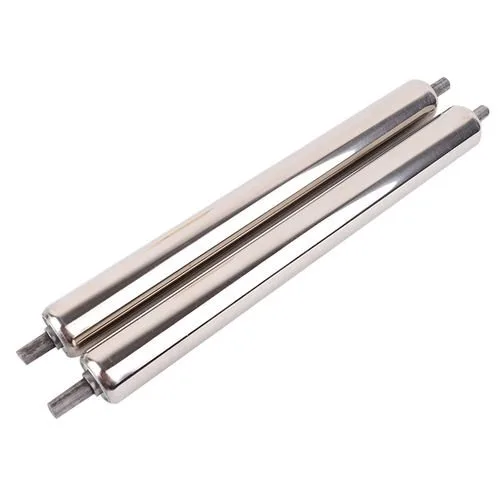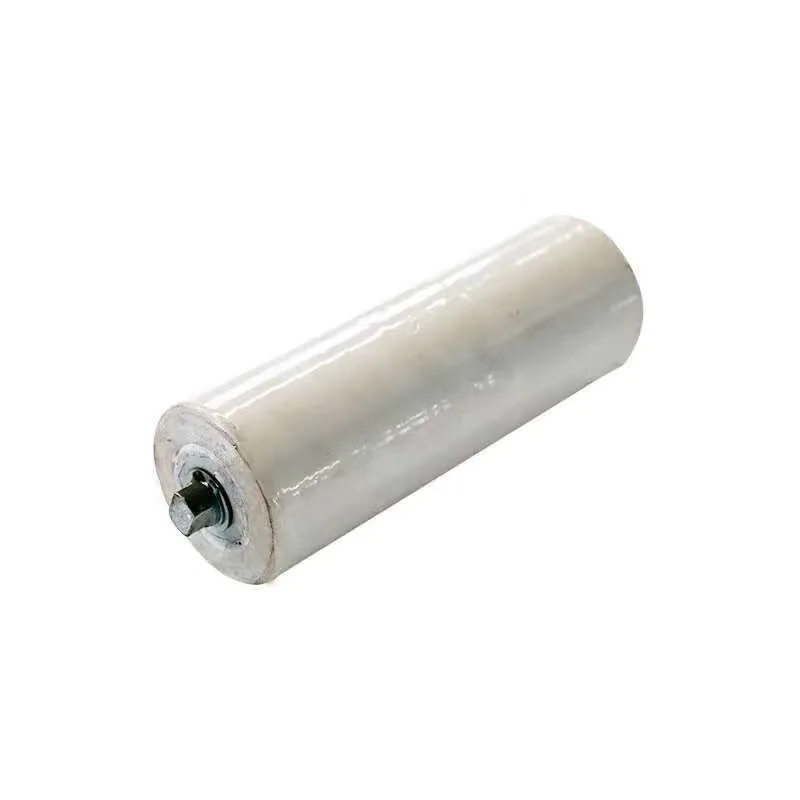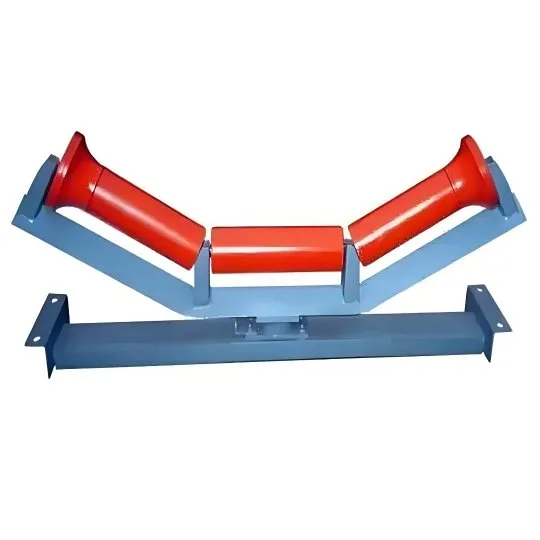
UHMWPE IDLER
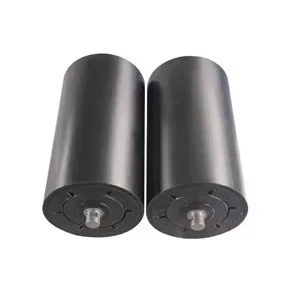
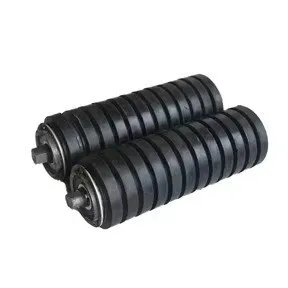
UHMWPE CONVEYOR IDLER
The UHMWPE idler is manufactured using Ultra High Molecular Weight Polyethylene — a material known for its excellent wear resistance, low friction coefficient, and non-stick properties. Compared with traditional steel idlers, UHMWPE idlers are significantly lighter (60% weight reduction), quieter in operation, and more resistant to material build-up.
The smooth UHMWPE surface effectively prevents material adhesion, reducing belt deviation and minimizing conveyor belt wear. Its outstanding chemical resistance and corrosion resistance make it especially suitable for wet, humid, and chemically aggressive environments. With low noise, low energy consumption, and long service life, UHMWPE idlers are an ideal choice for modern conveyor systems focused on efficiency, cleanliness, and reduced maintenance — especially on remote sites where every kilogram of equipment saves transport cost.
Read the conveyor idler types and selection guide. It separates material choice from the carrying, return, impact and training role each idler performs.
- Drawing-based inquiries
- Options confirmed per quotation
- Document requests welcome
TECHNICAL DATA
WHY CHOOSE THIS PRODUCT
- 60% lighter than steel idlers — reduces transport and install cost
- Ultra-low friction reduces belt abrasion and energy consumption
- Non-stick surface prevents material buildup and belt deviation
- Low noise operation improves workplace environment
- Operating range −49°C to +90°C for harsh climates
- Excellent corrosion and chemical resistance
- Lower maintenance costs via durable, non-stick design
APPLICATIONS
How to Read a UHMWPE Idler Specification
A UHMWPE idler replaces the steel tube with ultra-high molecular weight polyethylene. It is bought for weight, low friction, quiet running and a non-stick surface — and it carries one limit steel does not. A typical spec reads Ø 89 · UHMWPE tube · -49 to +90°C · CEMA B · L 465.
- Ø 89
- Roller diameterChosen as for any carrying idler, from belt width, load and the frame it fits. The polymer tube changes the material, not the way the roller sits in the set.
- UHMWPE
- Tube materialUltra-high molecular weight polyethylene. It is around 60% lighter than a steel tube, has a very low friction coefficient, resists acids, alkalis and most solvents, and material does not readily stick to it. Those four properties are the whole case for the product.
- -49 to +90°C
- Operating temperature rangeRoughly -49°C to +90°C. Both ends matter and they matter differently. The cold end is genuinely useful — UHMWPE stays serviceable at temperatures that trouble other materials, which suits cold-climate mining. The hot end is a hard ceiling that steel does not have, and it is the first thing to check.
- CEMA B
- CEMA idler classThe load rating class, selected from belt width, material density and lump size as for any idler. Bear in mind that a polymer tube is less stiff than a steel one of the same dimensions, so load per roller deserves more attention here than on a steel set.
- L 465
- Roller lengthSet by belt width and trough angle together, as on any carrying idler.
The +90°C ceiling is the disqualifier, and it should be checked first rather than last. Hot material, radiant heat from a nearby process, or a load zone taking warm clinker all put a polymer roller outside its range. If your duty runs hot, this is not the material — no other property compensates.
UHMWPE Idler Selection Guide
UHMWPE is a good answer to a specific set of problems and a poor answer outside them. Check the temperature first, then be clear about which of its properties you are actually buying.
Check the temperature range before anything else
UHMWPE runs from roughly -49°C to +90°C. The cold end is an advantage — it stays serviceable where other materials stiffen — but the hot end is a hard limit steel does not have. Hot material, radiant heat from an adjacent process, or warm clinker at a load zone all rule the material out. Confirm the real maximum temperature the roller sees, not the average.
Be clear which property you are buying
UHMWPE offers four distinct benefits and they suit different sites. Weight — around 60% lighter — matters most where handling and transport are expensive. Low friction matters on long lines where rotating resistance adds up. Non-stick matters where carryback builds on return rollers. Chemical resistance matters in aggressive environments. Buying it without knowing which of the four you need makes the economics impossible to check.
Weigh the handling and transport saving honestly
The 60% weight reduction is usually the strongest part of the case, and it is worth most where you are moving thousands of rollers to a remote site, carrying them underground, or replacing them by hand. On an accessible plant conveyor with a forklift at the door, the same weight saving is worth considerably less. Value it against your actual site, not in the abstract.
Check load per roller against polymer stiffness
A polymer tube deflects more than a steel tube of the same dimensions under the same load. Select the class from belt width, material density and lump size as usual, and give the load per roller more scrutiny than you would on a steel set — particularly under heavy lump or at wide belt widths.
Select the CEMA idler classCompare against stainless and ceramic for your failure mode
If rollers are failing from corrosion, stainless is usually the more direct answer. If they are failing from severe abrasion, ceramic is. UHMWPE is the right choice when weight, noise, friction or non-stick is what you need — not as a general substitute for either of the other two.
Look up bulk material properties
Common Specification Mistakes
Four errors that recur on UHMWPE enquiries. The first puts the roller outside its design range; the rest buy the wrong property.
Using UHMWPE above its temperature ceiling
The +90°C limit is real and it is the one property that cannot be worked around. Warm clinker at a load zone, radiant heat from an adjacent process, or hot material anywhere on the run puts a polymer roller outside its range. Check the maximum temperature the roller actually sees — including local hot spots, not the process average — before considering the material at all.
Buying UHMWPE for wear life on severely abrasive duty
UHMWPE wears well for a polymer, but severe abrasion is ceramic's problem to solve. If your rollers are being worn through by hard, sharp material, the answer is a ceramic facing rather than a polymer tube. Match the material to the failure mode you actually observe on the failed rollers.
Ignoring the stiffness difference under heavy load
A polymer tube deflects more than steel at the same dimensions and load. Selecting the class by the usual method and stopping there is fine on moderate duty, but under heavy lump or at wide belt widths the load per roller deserves a specific check. Deflection that steel would shrug off can show up as belt disturbance on a polymer set.
Justifying the purchase on energy saving alone
The low friction coefficient genuinely reduces rotating resistance, but on most conveyors it is not where the money is. The stronger case is usually the 60% weight reduction — transport, installation labour and manual handling — plus reduced belt-cover abrasion and quieter running. Build the justification on the benefit that actually applies to your site.
FREQUENTLY ASKED QUESTIONS
What is UHMWPE and why use it for idlers?
Ultra-high molecular weight polyethylene, a polymer with a very low friction coefficient, good chemical resistance and a surface material does not readily stick to. As an idler tube it is around 60% lighter than steel, runs quietly, and reduces the rotating resistance the belt has to overcome. It is chosen for those properties rather than as a general-purpose replacement for steel rollers.
What temperature can a UHMWPE idler handle?
Roughly -49°C to +90°C. The low end is genuinely useful — the material stays serviceable in cold-climate operations where other materials become brittle or stiff. The high end is a firm ceiling that steel does not have. Hot material, radiant heat from a nearby process or a load zone handling warm product all put the roller outside its range, and no other property makes up for it.
How much lighter are they, and does that matter?
Around 60% lighter than steel idlers. Whether that matters depends entirely on your site. It is worth a great deal when rollers are being carried underground, flown or trucked to a remote operation, or changed by hand at height — the saving shows up in transport cost, installation labour and manual handling risk. On an accessible plant conveyor with mechanical handling available, the same saving is worth much less.
Can UHMWPE idlers carry the same load as steel?
Treat load capacity with more care than on a steel set. A polymer tube is less stiff than a steel tube of the same dimensions and deflects more under the same load. Select the CEMA class as normal from belt width, material density and lump size, then check the load per roller specifically — especially with heavy lump or at wide belt widths, where the stiffness difference shows first.
Do UHMWPE idlers really save energy?
The low friction coefficient does reduce rotating resistance, and on a long conveyor with many idler sets that adds up. But treat energy saving as a secondary benefit rather than the main case unless you have run the numbers for your specific line length and duty. On most sites the stronger economics are the weight and handling saving, and the reduced belt-cover abrasion from a lower-friction surface.
UHMWPE, stainless or ceramic — how do I choose?
By what is actually failing and what you actually need. Stainless when corrosion is destroying rollers — salt, chemicals, washdown, hygiene. Ceramic when severe abrasion is, especially with chemical attack or sticky material. UHMWPE when weight, noise, low friction or a non-stick surface is the requirement, and the duty stays within its temperature range. Plain carbon steel remains right for most conveyors.
Free tools for sizing this product
Run the numbers before you send an RFQ — no signup, no email.
Download the UHMWPE CONVEYOR IDLER spec sheet
Full specifications, cover grades, tensile classes, and application recommendations — one PDF to share with your engineering team or procurement.
PDF · A4 · English