CERAMIC LAGGED IDLER
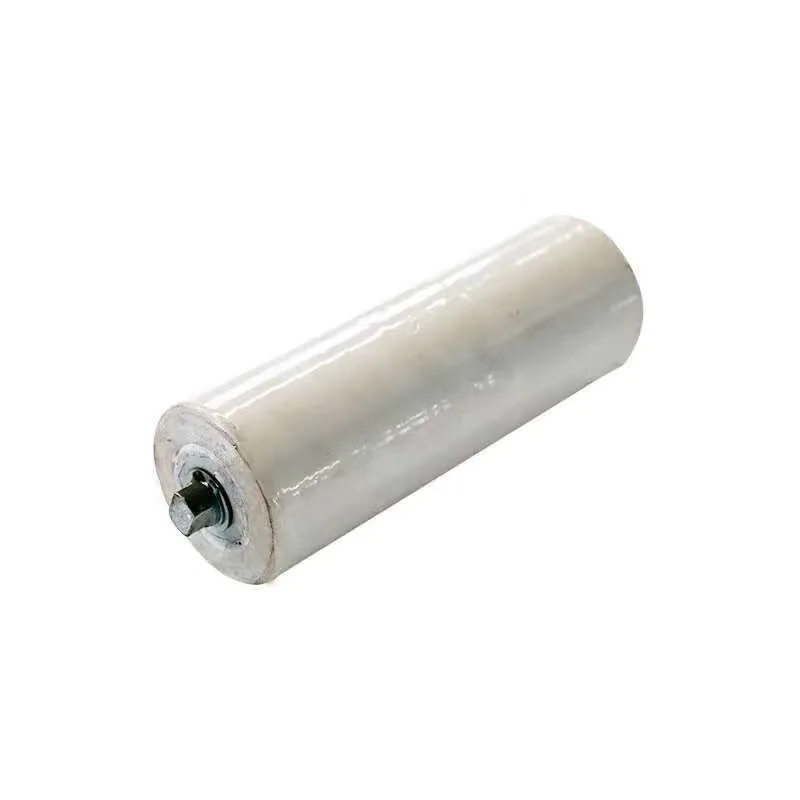
CERAMIC LAGGED CONVEYOR IDLER
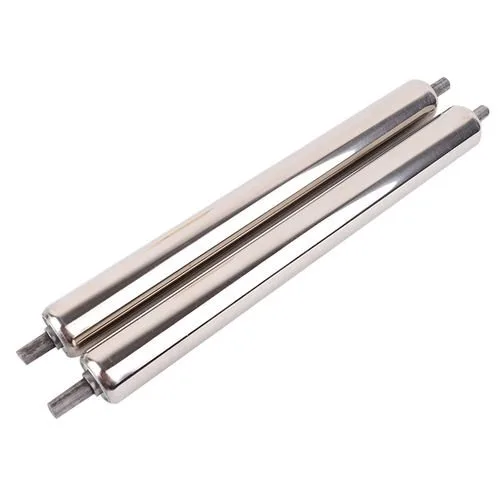
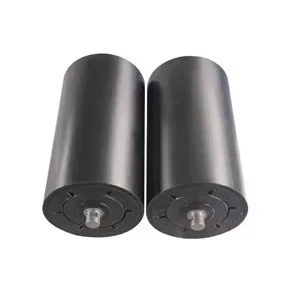
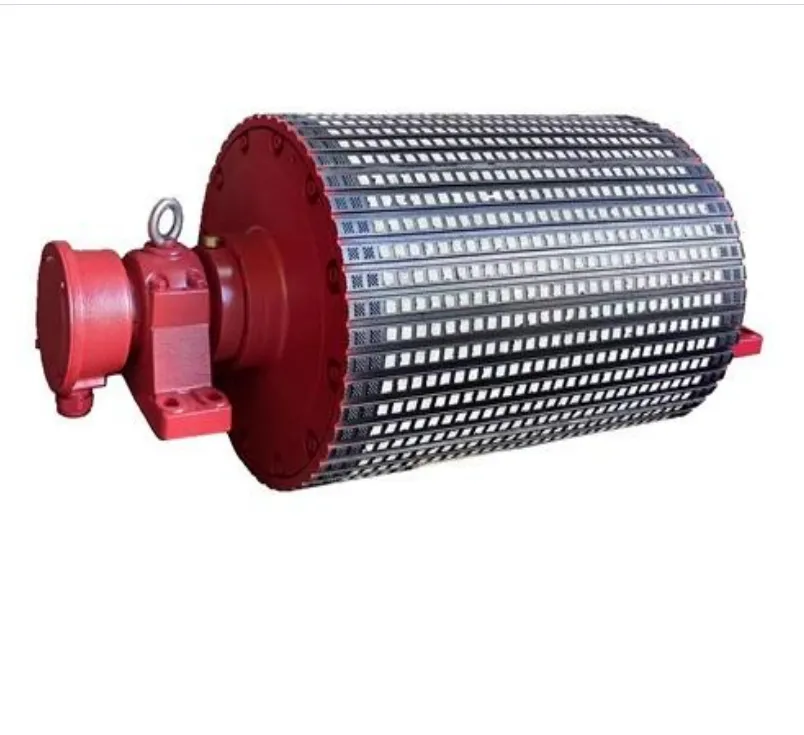
The ceramic lagged idler is designed for conveyor systems operating under extreme conditions: high wear, strong corrosion, and heavy loads. Manufactured with high-precision alumina ceramic lagging, this idler provides outstanding wear resistance and long-term operational stability in the most punishing bulk handling environments.
The ceramic surface forms a dense oxide film that does not adhere to materials and does not chemically react with conveyed substances. This self-cleaning characteristic effectively prevents material buildup, reduces belt deviation, and minimizes belt wear. Compared with traditional steel idlers, ceramic lagged idlers offer 2-3 times longer service life. Fully sealed with plastic labyrinth seals on both ends, the idler protects internal bearings from dust, moisture, and contaminants.
Read the conveyor idler types and selection guide. Compare idler roles and traction trade-offs before selecting a ceramic-lagged roll.
- Drawing-based inquiries
- Options confirmed per quotation
- Document requests welcome
TECHNICAL DATA
WHY CHOOSE THIS PRODUCT
- 2-3× longer service life than conventional steel idlers
- Ceramic surface prevents material adhesion and buildup
- Self-cleaning characteristic minimizes maintenance intervals
- Dense alumina oxide film resists chemical attack
- Fully sealed plastic labyrinth seals protect bearings
- Reduces belt deviation and extends belt life
- Ideal for high-wear, corrosive, or contaminated environments
APPLICATIONS
How to Read a Ceramic-Lagged Idler Specification
A ceramic-lagged idler is a standard idler whose surface is faced with alumina ceramic. The ceramic is there for wear life and for its refusal to let material stick to it — not for grip. A typical spec reads Ø 133 · alumina lagging · CEMA C · labyrinth seals · L 465.
- Ø 133
- Roller diameter over the laggingThe finished diameter including the ceramic facing. As with any lagged roller, confirm whether a quoted diameter is over the ceramic or over the bare tube, since the two differ and the finished figure is what sits under the belt.
- Alumina
- Lagging materialHigh-precision alumina ceramic. Its dense oxide film is chemically inert, which is what gives the roller its acid, alkali and salt resistance, and its hardness is what gives the wear life. Both properties come from the same material, which is why ceramic answers abrasion and corrosion together.
- CEMA C
- CEMA idler classThe load rating class. Ceramic changes the roller's surface, not its load capacity — the class is still selected from belt width, material density and lump size exactly as for a plain steel idler.
- Labyrinth
- SealingPlastic labyrinth seals at both ends. On the duties that justify ceramic — wet, dusty, chemically aggressive — the seal is doing as much for service life as the facing is. A ceramic roller with a failed seal is a bearing failure waiting to happen.
- L 465
- Roller lengthSet by belt width and trough angle together, as on any carrying idler. The ceramic facing does not change how the roller is dimensioned into the set.
A ceramic-lagged pulley and a ceramic-lagged idler do different jobs. On a drive pulley, ceramic is a traction escalation from rubber — it is chosen for grip. On an idler, which transmits no torque, ceramic is chosen for wear life and for its non-stick surface. Same material, different reason.
Ceramic-Lagged Idler Selection Guide
Ceramic is the most expensive of the specialised idler surfaces. It earns its price on a specific combination of duties, and wastes it everywhere else. Work through the disqualifiers first.
Confirm plain steel genuinely will not last
Standard carbon steel idlers are adequate for the great majority of conveyors and cost a fraction of ceramic. Ceramic is for the places where roller replacement has become a recurring cost or a recurring outage — high abrasion, wet and chemically aggressive duty, or material that sticks. If your steel idlers are lasting acceptably, ceramic is spend without return.
Characterise the abrasion and the chemistry separately
Ceramic answers two problems at once — hardness against abrasion, and an inert oxide film against acid, alkali and salt. Establish which of the two is actually driving your roller failures. If it is purely corrosion with modest abrasion, stainless steel is usually the cheaper answer to the same problem.
Look up bulk material propertiesCheck whether material buildup is the real complaint
The ceramic surface resists adhesion and is effectively self-cleaning, which matters most on return rollers. Material packed onto a return roller builds a high spot, the high spot pushes the belt off centre, and the site ends up chasing a tracking fault that is really a carryback fault. Where that is the pattern, ceramic on the return strand solves the cause.
Select the class exactly as for a steel idler
Ceramic changes the surface, not the load rating. Select the CEMA class from belt width, material density and lump size as you would for any carrying set, then apply the ceramic facing as a surface decision on top of it.
Select the CEMA idler classSpecify the sealing to match the environment
On wet, dusty or chemically aggressive duty the labyrinth seal does as much for roller life as the facing. There is no point paying for a two-to-three-times wear life on the surface if the bearing fails first. Confirm the sealing arrangement is rated for the same environment you bought the ceramic for.
Common Specification Mistakes
Four errors that recur on ceramic idler enquiries. The first is the expensive one; the rest waste part of what the ceramic was bought for.
Specifying ceramic where plain steel is lasting perfectly well
Ceramic costs a multiple of a standard steel idler and returns that money only where steel is failing early. On ordinary dry, moderately abrasive duty with acceptable roller life, ceramic buys a longer life you did not need. Establish that roller replacement is a real recurring cost before escalating the surface.
Buying ceramic when the problem is only corrosion
Ceramic answers abrasion and chemical attack together. If your rollers are failing purely from corrosion — salt spray, washdown, chemical environment — with modest abrasion, stainless steel usually solves the same problem for less. Diagnose which of the two is actually driving failures before paying for both.
Pairing a premium facing with ordinary sealing
On the wet and dusty duties that justify ceramic, the bearing seal determines roller life as much as the surface does. A two-to-three-times wear life on the facing is wasted if the bearing fails first. Specify the sealing to the same environment you bought the ceramic for.
Treating ceramic as a fix for mistracking
Ceramic on return rollers removes material buildup, and buildup is a genuine cause of belts running off centre — so it can help. But if the mistracking traces to frame alignment, off-centre loading or a skewed splice, ceramic changes nothing. Diagnose the tracking fault first; use ceramic where carryback is demonstrably the cause.
FREQUENTLY ASKED QUESTIONS
How much longer do ceramic-lagged idlers last?
Commonly cited as two to three times the life of conventional steel idlers, though the honest answer depends entirely on how abrasive and how wet the duty is. The multiplier is largest exactly where steel does worst — highly abrasive material, wet conditions, chemical attack. On mild duty the difference narrows and the economics stop working, which is why ceramic is a targeted choice rather than a general upgrade.
Is a ceramic idler the same as a ceramic-lagged pulley?
The material is the same but the reason differs. On a drive pulley, ceramic is chosen for traction — it is the escalation from rubber lagging when the drive slips. On an idler, which transmits no torque, ceramic is chosen for wear life and for its non-stick surface. Do not read one page's argument onto the other component.
What makes ceramic resistant to both wear and corrosion?
Both come from the same material property. Alumina is hard, which is what resists abrasion, and its dense oxide film is chemically inert, which is what resists acid, alkali and salt. That combination is why ceramic is the answer on duties where abrasion and chemical attack arrive together — a case that defeats plain steel quickly and that stainless handles only on the corrosion half.
Where do ceramic idlers earn their keep most?
On the return strand, more often than people expect. Material carried back on the belt packs onto return rollers, builds a high spot, and pushes the belt off centre — a tracking complaint that is really a buildup problem. A non-stick ceramic surface removes the cause rather than correcting the symptom. On the carrying side, they earn their keep where abrasion or chemistry is destroying steel rollers.
Ceramic, stainless steel or UHMWPE — how do I choose?
Match the material to the dominant problem. Ceramic when abrasion is severe, especially combined with chemical attack or sticky material. Stainless steel when corrosion is the main enemy — salt, chemicals, washdown, hygiene — and abrasion is moderate. UHMWPE when weight, noise and low friction matter, or where handling and transport to a remote site is a real cost. Plain steel for everything else, which is most conveyors.
Does ceramic lagging damage the belt?
On an idler the contact is rolling rather than driving, so it is far gentler than ceramic on a drive pulley, where the grip that makes ceramic effective also works the belt's bottom cover harder. The consideration on idlers is normal: the roller must run true and be correctly aligned. A ceramic roller that is seized or misaligned damages a belt just as a seized steel roller does.
Free tools for sizing this product
Run the numbers before you send an RFQ — no signup, no email.
Download the CERAMIC LAGGED CONVEYOR IDLER spec sheet
Full specifications, cover grades, tensile classes, and application recommendations — one PDF to share with your engineering team or procurement.
PDF · A4 · English